FAQ OF Feeder Breaker
1. What Is a Feeder Breaker?
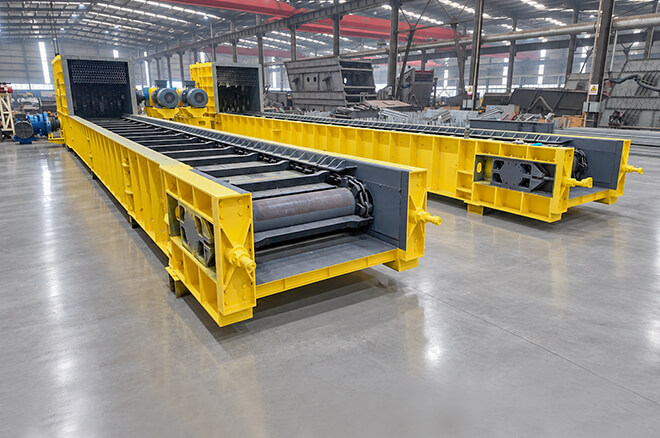
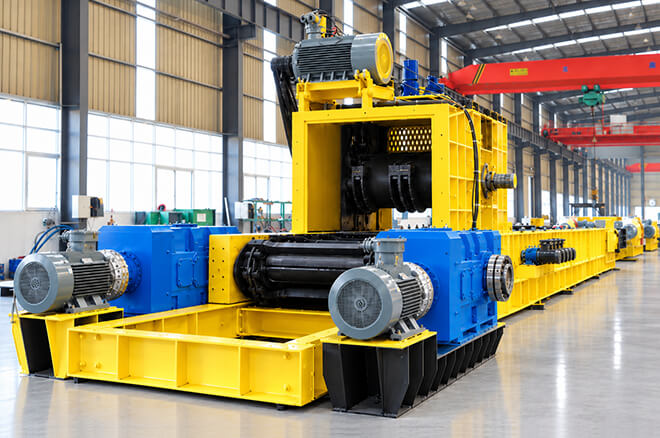
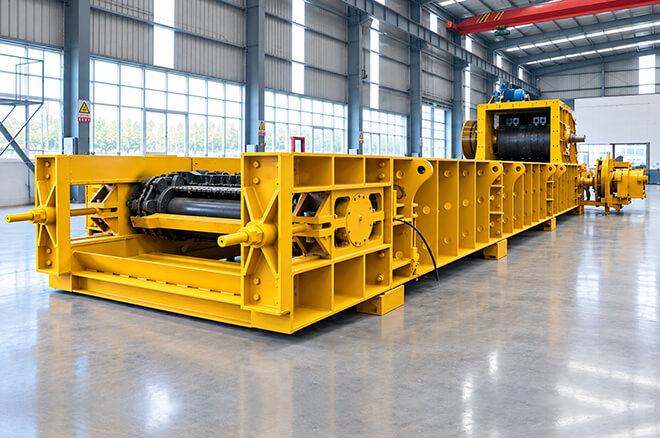
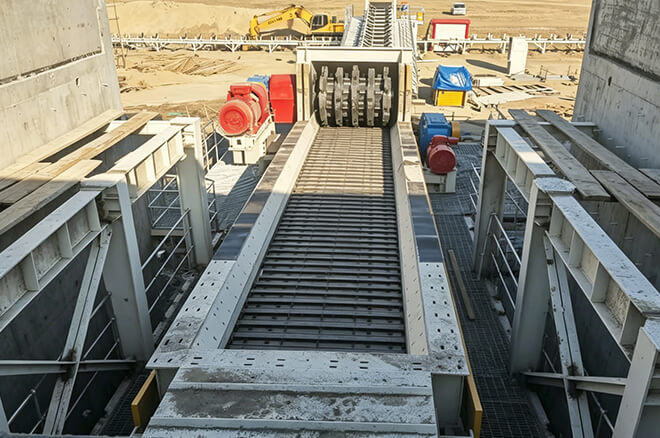
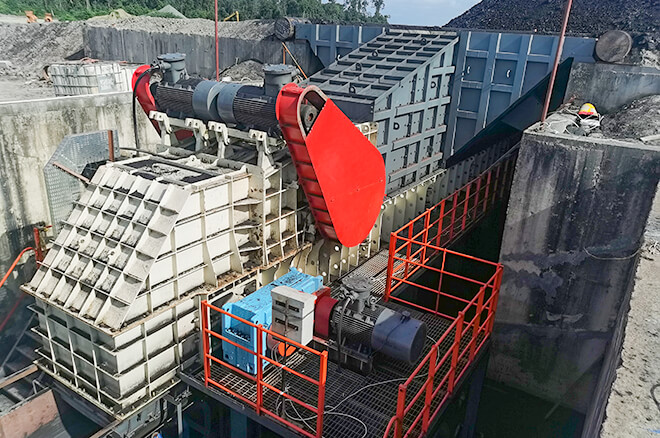
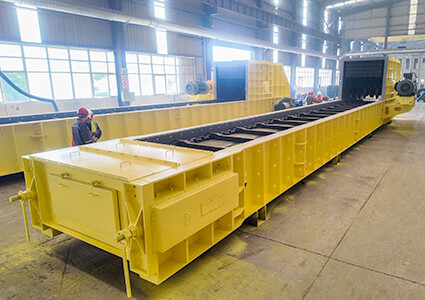
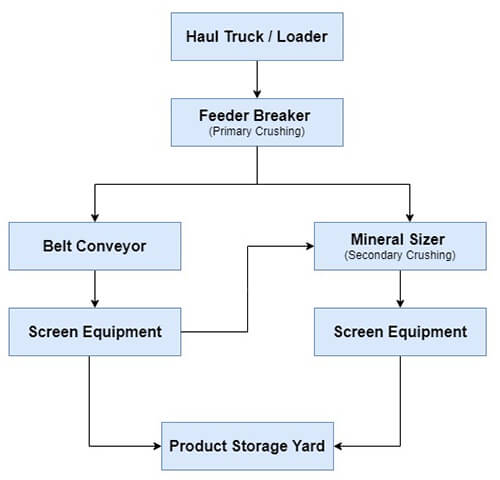
A Feeder Breaker is an integrated mining machine that combines material feeding, conveying and primary crushing in one unit, reducing the need for separate equipment and simplifying plant layout.
2. How Does a Feeder Breaker Work?
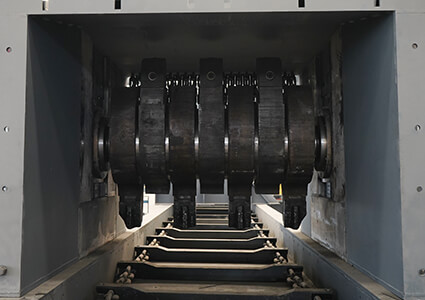
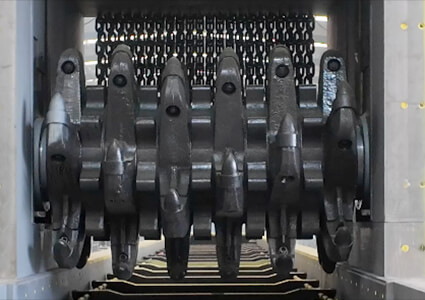
Material is continuously conveyed into the crushing zone, where a rotating crushing mechanism reduces its size. The crushed material is then transported to the discharge point for downstream conveying or further processing.
3. What Is the Difference Between Toothed and Hammer Crushing?
Toothed crushing uses the shearing and compressive actions of rotating teeth, while hammer crushing relies primarily on impact from rotating hammers. The appropriate configuration depends on material characteristics and required product size.
4. What Materials Can a Feeder Breaker Process?
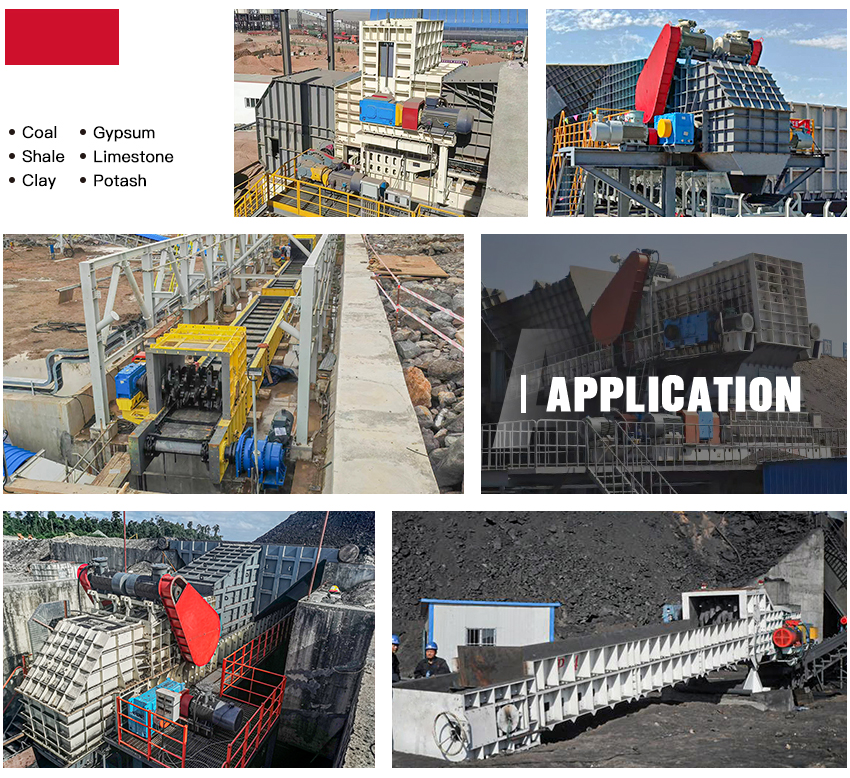
Feeder Breakers can process coal, lignite, salt, gypsum, potash and other suitable bulk materials. Material hardness, abrasiveness, moisture content and feed size should be considered during equipment selection.
5. What Is the Processing Capacity and Discharge Size of a Feeder Breaker?
Capacity and discharge size depend on the equipment model, crushing configuration, feed characteristics and operating conditions. Selection should be based on the required throughput and downstream process requirements.
6. How Do I Select the Right Feeder Breaker?
Key selection factors include material type, maximum feed size, required discharge size, processing capacity, moisture content, installation conditions and downstream equipment requirements. These parameters help determine the appropriate crushing configuration and machine model.