Introduction
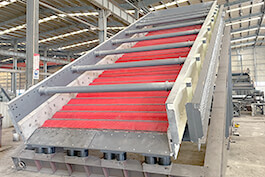
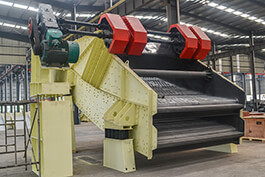
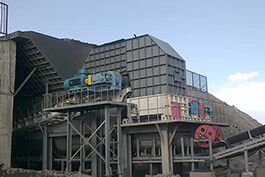
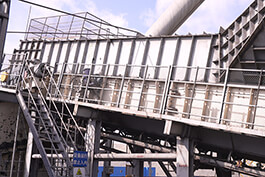
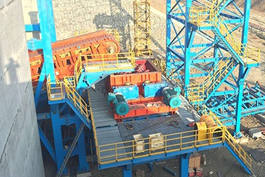
This regulation is applicable to the regular inspection and maintenance of Disc screens used in industrial fields such as thermal power plants, coking plants, and mines. The purpose of maintenance is to ensure that all key components of the equipment are in good condition through systematic inspection, testing and repair, eliminate potential fault hazards, guarantee the safe, stable and efficient operation of the equipment, and extend its service life.
Coal drop hopper and wear-resistant liner plate
Check the wear condition of the coal hopper and replace the worn liners. Under the premise of ensuring safety, enter the interior of the Disc Screen and inspect the inner wall of the coal hopper, especially the area directly impacted and eroded by the material (the receiving surface and its adjacent surfaces). Observe whether there are deep grooves, pits, cracks or penetrating wear on the surface of the liner plate.
Wear determination criteria and replacement conditions
When the wear of the wear-resistant liner of Disc Screen reaches one-third of its original thickness, it must be replaced. For instance, in a certain coal mine screening station, the original thickness of the Disc Screen wear-resistant liner was 30mm. After long-term continuous operation and use, it was found during maintenance that the remaining thickness of the liner due to wear was ≤20mm, and it needed to be replaced.
In addition to the above-mentioned thickness indicators, if continuous cracks with a length exceeding 50mm and a depth exceeding 10mm appear on the surface of the liner plate, or if penetrating holes with an area larger than 100cm² are formed in local areas due to wear, replacement should be arranged immediately even if the thickness replacement standard is not met.
Check the wear and tear of the screen box
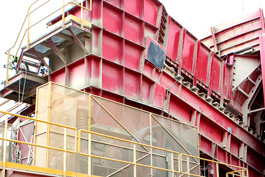
Inspect the overall structure of the screen box, with a particular focus on the inner walls, side plates and welding points that come into contact with the materials. Observe whether there are any wear marks caused by long-term impact and friction of the materials in these areas, and whether the surface has become rough, with obvious dents or thinning. At the welding points of the Screen box of Disc Screen, it is necessary to check whether there are cracks or de-welding in the weld seams, and whether fatigue cracks occur at the weld toe areas due to stress concentration.
Maintenance of motor reducers
Reducer
Visual inspection
Regularly inspect the housing of the reducer, remove accumulated dust and debris, and keep it clean. At the same time, check for any deformation, cracks or wear and tear, etc.

Lubrication maintenance
According to the requirements of the reducer's user manual, change the lubricating oil on time and keep the oil level within an appropriate range. Check the oil level, quality and temperature to ensure that the oil is clean and free of impurities and the oil temperature is normal.
Inspection of transmission components
Regularly inspect the transmission components of the reducer to see if there is any loosening, breakage or wear. Replace or repair any problems in a timely manner.
Fastener inspection
Regularly check whether the fasteners of the reducer, such as bolts and nuts, are loose and tighten them in time.
Ventilation inspection
Keep the reducer well-ventilated to prevent overheating.
Motor
Visual inspection
Regularly clean the surface of the motor to remove dust, oil stains and other debris. Check whether the casing is deformed, cracked or corroded, and whether the fan cover is intact. Ensure that the heat dissipation holes are unobstructed.
Insulation testing
The insulation resistance of the motor winding should be measured with an insulation resistance meter. The value should comply with the relevant standard requirements. If the insulation resistance is lower than the specified value, the motor needs to be dried or repaired.
Operation status check
During the operation of the motor, closely observe whether it runs smoothly, whether there is any abnormal vibration or noise, whether the bearing temperature is normal (generally should not exceed 40℃ above the ambient temperature, and the maximum temperature should not exceed 80℃), and whether the current is within the rated range.
Wiring inspection
Check whether the wiring inside the motor junction box is firm, whether the terminals are overheated or oxidized, and whether the cables are damaged or aged to ensure reliable electrical connections.
Bearing maintenance
Regularly check the lubrication condition of the motor bearings. According to the motor model and usage environment, add or replace the grease at the prescribed cycle to ensure good lubrication of the bearings and avoid bearing damage due to lack of oil or deterioration of the grease.
Inspection and repair of the screen shaft
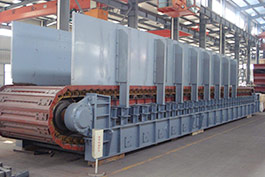
The Screen shaft of Disc Screen is the main transmission component, and its operating condition directly affects the screening efficiency. When inspecting the screen shaft, it is necessary to first clean the materials and impurities adhering to the surface and observe whether the shaft body has any bending, deformation or cracks. Focus on measuring the diameter at the journal. If the wear exceeds 3% of the original diameter or if there is obvious unilateral wear causing a roundness deviation greater than 0.15mm, repair or replacement should be carried out.
Check the wear condition of the screen plates
As a key component that directly contacts the material, the degree of wear of the screen plate plays a decisive role in the screening effect. During the inspection, it is necessary to carefully observe the surface of the screen plate, especially the area through which the material passes through the screen holes, to check if there is any deformation, expansion or blockage of the screen holes caused by long-term friction. If the actual size of the sieve holes increases by more than 10% compared to the original design size, or if the edges of the sieve plates show thinning, curling, or damage, the screening accuracy will be significantly reduced. At this point, the sieve plates should be replaced in a timely manner. At the same time, it is also necessary to check whether the connection between the screen plate and the screen shaft is firm, and whether there are any loose, misaligned or fallen off problems, to ensure that the screen plate can operate stably during the working process and avoid abnormal wear of the screen plate due to connection failure.


.jpg)